Select this challenge The Museum Display
Grade 3 · 5–12 minutes · Stretch challenge
For Grade 3 · Uses Middle Grade 3 math · 5–12 minutes
Designed for Grade 3 · Readiness: Middle Grade 3 · Number and operations · 5–12 minutes
Choose how many museum cases receive sapphires so the finished collection can be shared into equal trays.
Invite the learner to test a small set of case choices and ask how they know the list is complete.
An inverse equal-sharing investigation: vary the number of sapphire cases, find every choice producing divisibility by five, and justify completeness.
Practices: Whole-number operations · Equal groups
Earn Rose-Cut Diamond
Stretch challenge Moderate amount of written work
C3 Stretch · W2 Moderate Mapped: Bridges
Select this challenge The Necklace Code
Grade 3 · 2–6 minutes · Standard challenge
For Grade 3 · Uses Late Grade 3 math · 2–6 minutes
Designed for Grade 3 · Readiness: Late Grade 3 · Patterns and algebra · 2–6 minutes
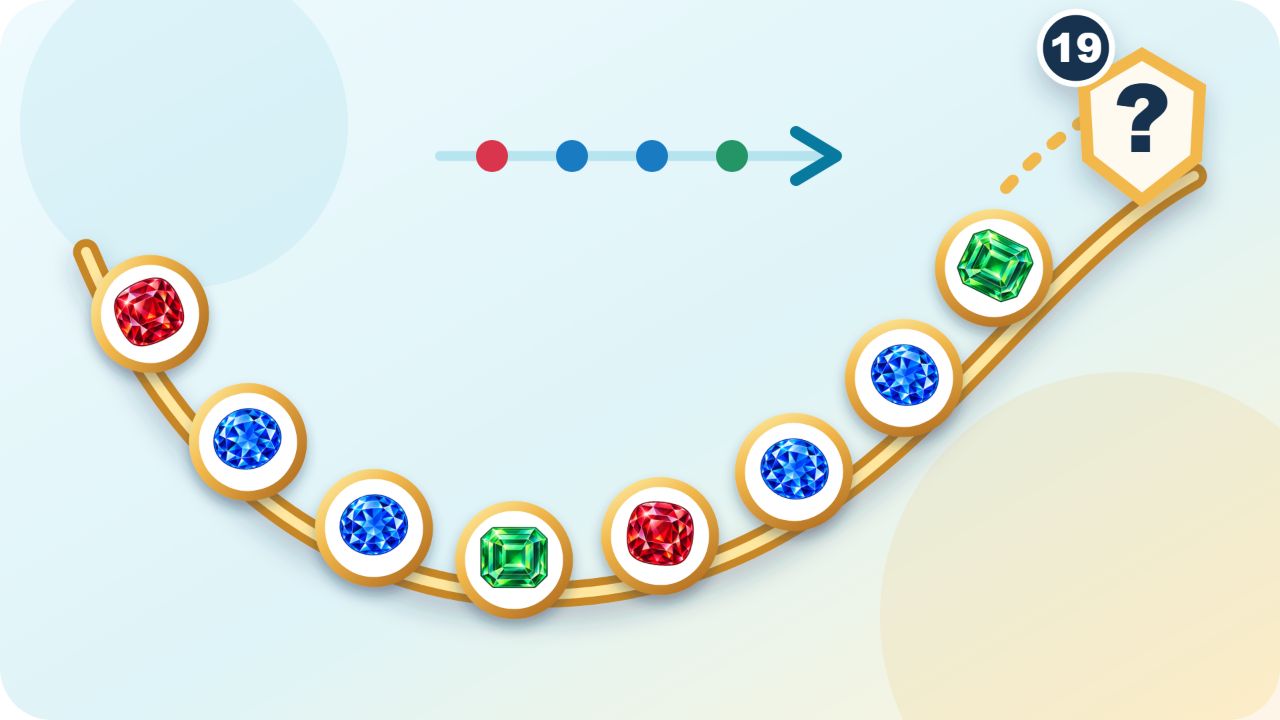
Decode a repeating jewel necklace and count what appears before the clasp.
Help the learner separate complete groups from the unfinished group without naming the remainder result.
Students use a period-four pattern to identify position 19 and count each jewel type across complete cycles and a partial cycle.
Practices: Sequences · Repeating patterns
Earn Green Tourmaline
Standard challenge Light amount of written work
C2 Standard · W1 Light No published framework match
Select this challenge Steve’s Big Dig
Grade 5 · 2.5–6.5 minutes · Standard challenge
For Grade 5 · Uses Middle Grade 5 math · 2.5–6.5 minutes
Designed for Grade 5 · Readiness: Middle Grade 5 · Geometry · 2.5–6.5 minutes
Measure Steve’s cube-shaped dig and make sense of the amount of coal expected inside.
The layer picture supports volume; discuss why an expected amount need not describe one literal hole.
A Grade 5 volume and expected-value task requiring 5 × 5 × 5, one tenth of 125, and interpretation of a non-whole long-run expectation.
Practices: Volume · Fractions and decimals
Earn White Opal
Standard challenge Light amount of written work
C2 Standard · W1 Light No published framework match
Select this challenge The Chest Room Split
Grade 3 · 3–7 minutes · Standard challenge
For Grade 3 · Uses Middle Grade 3 math · 3–7 minutes
Designed for Grade 3 · Readiness: Middle Grade 3 · Number and operations · 3–7 minutes
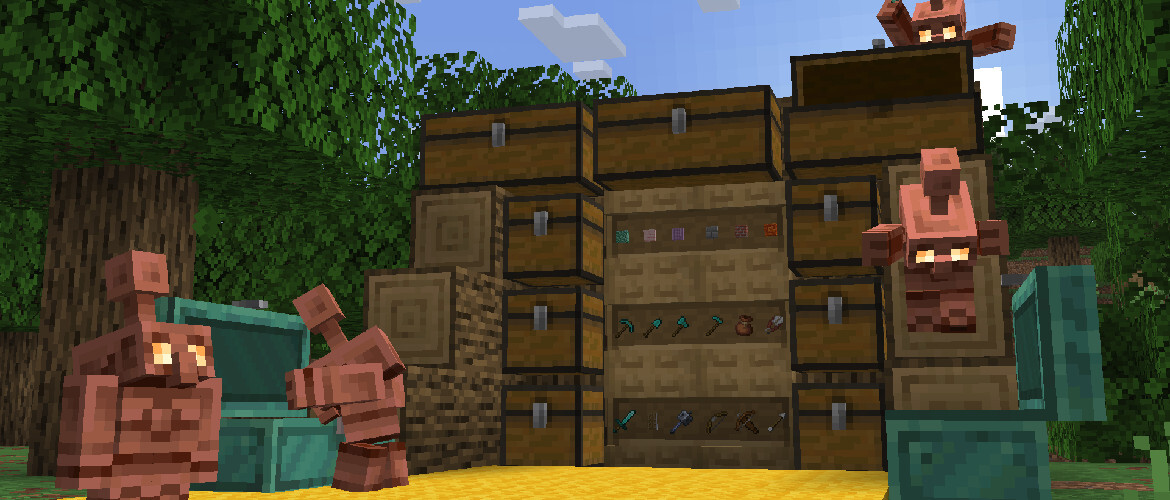
Track an 18-piece order across six equal supply chests and decide where Alex stops.
Point to the eight-piece chest units and the target marker; ask what remains in the final opened chest.
Students model 18 as two full groups of eight plus two from a third chest, then determine the final remainder under an explicit stopping rule.
Practices: Whole-number operations · Equal groups
Earn Tumbled Hematite
Standard challenge Light amount of written work
C2 Standard · W1 Light Mapped: Bridges
Select this challenge Fence the Wheat Farm
Grade 3 · 2–6 minutes · Standard challenge
For Grade 3 · Uses Middle Grade 3 math · 2–6 minutes
Designed for Grade 3 · Readiness: Middle Grade 3 · Geometry · 2–6 minutes
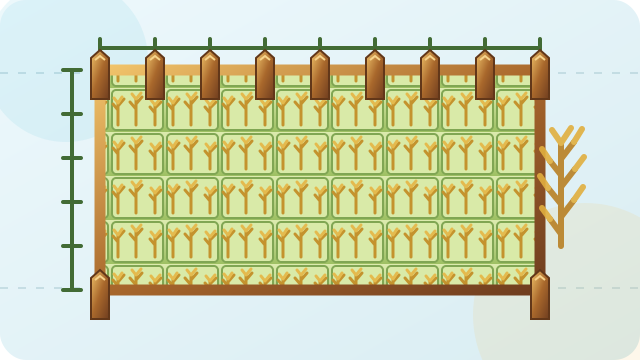
Plan a Minecraft wheat farm, mark its gate, and decide whether the available fence is enough.
Ask the learner to distinguish farm area from the boundary length after leaving a two-block gate.
Students find rectangular area and perimeter, subtract a two-block gate, and compare the required fencing with the available amount.
Practices: Area and perimeter · Whole-number operations
Earn Calcite Rhomb
Standard challenge Light amount of written work
C2 Standard · W1 Light Mapped: Bridges · Ccss Math
Select this challenge The Stained-Glass Window
Grade 3 · 2–6 minutes · Standard challenge
For Grade 3 · Uses Middle Grade 3 math · 2–6 minutes
Designed for Grade 3 · Readiness: Middle Grade 3 · Number and operations · 2–6 minutes
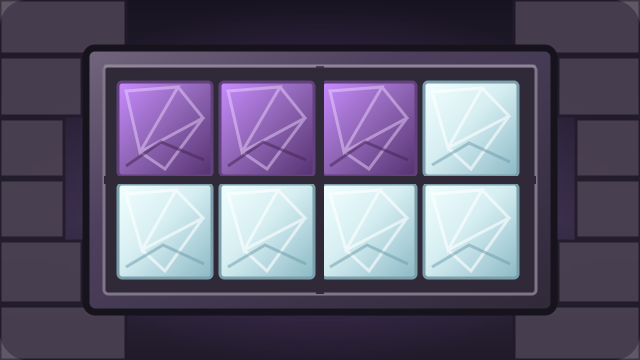
Finish a stained-glass color plan by connecting a fraction’s two numbers to the eight panes.
Use the labels to connect denominator with all panes and numerator with purple panes, then let the learner color the change.
Students infer a numerator two less than denominator 8, construct the resulting pane coloring, and record the finished fraction.
Practices: Fractions and decimals · Whole-number operations
Earn Tumbled Amethyst
Standard challenge Light amount of written work
C2 Standard · W1 Light Mapped: Bridges
Select this challenge Race the Sunset
Grade 3 · 2.5–7 minutes · Standard challenge
For Grade 3 · Uses Middle Grade 3 math · 2.5–7 minutes
Designed for Grade 3 · Readiness: Middle Grade 3 · Measurement · 2.5–7 minutes
Fit two building stages and a break onto a Minecraft timeline before sunset.
Encourage the learner to work from both ends of the timeline and compare the actual break with the plan.
An elapsed-time task combining forward and backward jumps to determine an unknown break and compare it with a 12-minute plan.
Practices: Elapsed time · Whole-number operations
Earn Polished Moonstone
Standard challenge Light amount of written work
C2 Standard · W1 Light No published framework match
Select this challenge The Ore Cart Graph
Grade 3 · 2.5–7 minutes · Standard challenge
For Grade 3 · Uses Middle Grade 3 math · 2.5–7 minutes
Designed for Grade 3 · Readiness: Middle Grade 3 · Data and probability · 2.5–7 minutes
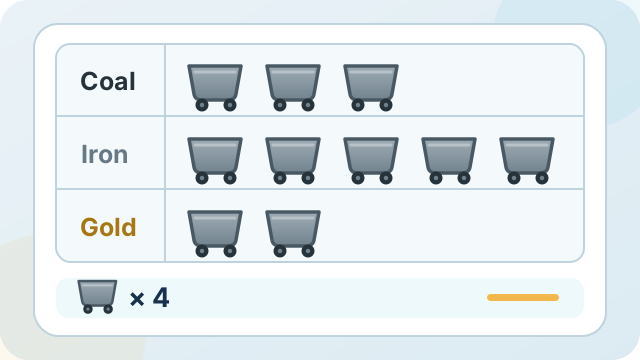
Read a Minecraft ore graph, move one cartload, and update the comparison.
Have the learner preserve the total while changing the iron and gold rows by one cart symbol.
Students interpret a scaled picture graph, perform a conservation-preserving transfer, and compare the updated row totals.
Practices: Scaled picture graphs · Whole-number operations
Earn Tumbled Lapis
Standard challenge Light amount of written work
C2 Standard · W1 Light Mapped: Bridges
Select this challenge Nurse Joy’s Poké Ball Packs
Grade 2 · 6–15 minutes · Stretch challenge
For Grade 2 · Uses Late Grade 2 math · 6–15 minutes
Designed for Grade 2 · Readiness: Late Grade 2 · Number and operations · 6–15 minutes
Find Nurse Joy’s one packing plan that satisfies both container clues.
Let the learner compare the two possible hundreds-for-tens trades and record each container count under its picture.
A flexible place-value and uniqueness task in which two possible trades are tested against a tens-container constraint.
Practices: Place value · Whole-number operations
Earn Polished Quartz
Stretch challenge Moderate amount of written work
C3 Stretch · W2 Moderate Mapped: Bridges
Select this challenge Rotom’s Pokédex Rectangle
Grade 2 · 4–12 minutes · Stretch challenge
For Grade 2 · Uses Late Grade 2 math · 4–12 minutes
Designed for Grade 2 · Readiness: Late Grade 2 · Number and operations · 4–12 minutes
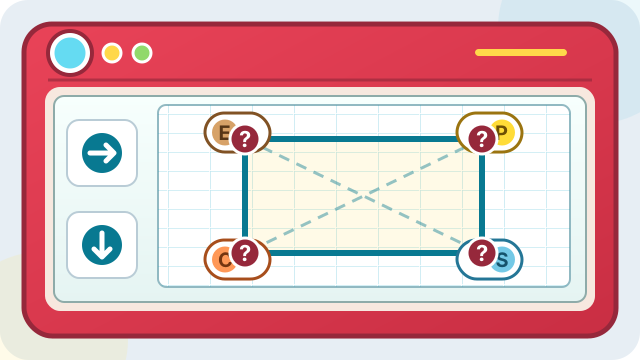
Find Rotom’s hidden rectangle numbers and explain the pattern that always appears.
Ask the learner to compare the two diagonal totals, but do not name the relationship.
Students generalize the equal-opposite-corner-sums invariant for axis-aligned rectangles on a hundred chart.
Practices: Place value · Sequences
Earn Polished Quartz
Stretch challenge Moderate amount of written work
C3 Stretch · W2 Moderate Mapped: Bridges · Ccss Math
Select this challenge The Oran Berry Passing Circle
Grade 2 · 12–28 minutes · Olympiad challenge
For Grade 2 · Uses Late Grade 2 math · 12–28 minutes
Designed for Grade 2 · Readiness: Late Grade 2 · Number and operations · 12–28 minutes
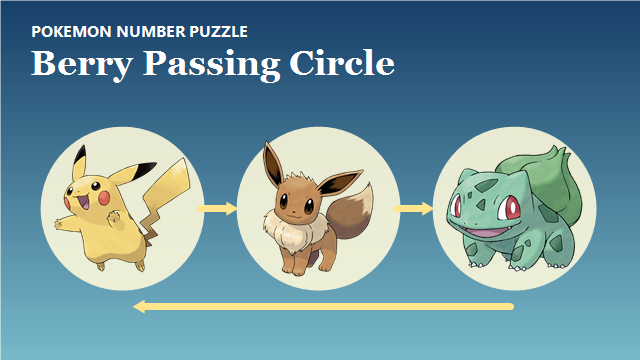
Track three Pokémon berry piles through a passing circle and prove the smallest possible start.
Use the state table to reduce bookkeeping; do not suggest reversing the passes.
A three-state transfer puzzle requiring inverse reasoning, parity constraints, a smallest viable equal ending, and proof that smaller candidates fail.
Practices: Whole-number operations · Equal groups
Earn Master-Cut Garnet
Olympiad challenge Heavy amount of written work
C5 Olympiad · W3 Heavy Mapped: Bridges · Ccss Math
Select this challenge The Ironclad’s Hidden Rest Site
Grade 2 · 6–15 minutes · Insight challenge
For Grade 2 · Uses Middle Grade 2 math · 6–15 minutes
Designed for Grade 2 · Readiness: Middle Grade 2 · Number and operations · 6–15 minutes
Use equal jumps to locate the Ironclad’s hidden Rest Site on the Spire.
Ask what stays fixed when the two surrounding room numbers are hidden but their sum is known.
Students use the midpoint invariant on a number line and justify why the hidden endpoints are unnecessary.
Practices: Number lines · Whole-number operations
Earn Brilliant-Cut Zircon
Insight challenge Light amount of written work
C4 Insight · W1 Light Mapped: Bridges · Ccss Math
Select this challenge Lakitu’s Hidden Boost Setting
Grade 3 · 13–30 minutes · Olympiad challenge
For Grade 3 · Uses Middle Grade 3 math · 13–30 minutes
Designed for Grade 3 · Readiness: Middle Grade 3 · Number and operations · 13–30 minutes
Test Lakitu’s hidden boost setting and prove where every later checkpoint becomes reachable.
Use the candidate record for settings 5–10, then leave the consecutive-checkpoint proof to the learner.
A numerical-semigroup reachability problem: eliminate candidate settings, identify the last unreachable checkpoint, and prove all later checkpoints are reachable.
Practices: Number lines · Equal groups
Earn Master-Cut Zircon
Olympiad challenge Heavy amount of written work
C5 Olympiad · W3 Heavy Mapped: Bridges · Ccss Math
Select this challenge The Fire-and-Frost Dragon Bridge
Grade 5 · 12–30 minutes · Olympiad challenge
For Grade 5 · Uses Late Kindergarten math · 12–30 minutes
Designed for Grade 5 · Readiness: Late Kindergarten · Number and operations · 12–30 minutes
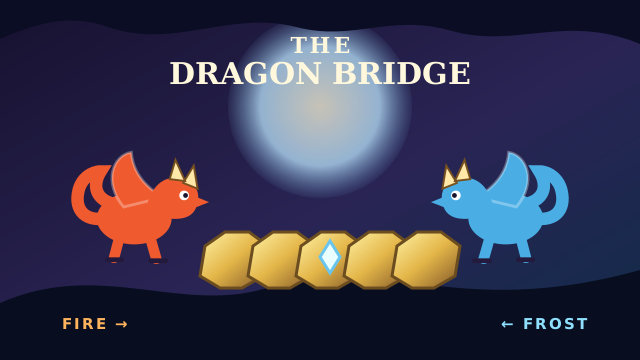
Investigate every shortest way the fire and frost dragons can swap sides of the bridge.
This is an older-student exhaustive investigation; encourage a state table and require a completeness argument.
A two-page Grade 5 enrichment investigation requiring shortest-path search, state organization, path equivalence, and proof that every shortest path is listed.
Practices: Counting and cardinality · Spatial relationships
Earn Master-Cut Zircon
Olympiad challenge Heavy amount of written work
C5 Olympiad · W3 Heavy Mapped: Ccss Math
Select this challenge Firefly Jars
Kindergarten · 1–3 minutes · Routine challenge
For Kindergarten · Uses Late Kindergarten math · 1–3 minutes
Designed for Kindergarten · Readiness: Late Kindergarten · Number and operations · 1–3 minutes
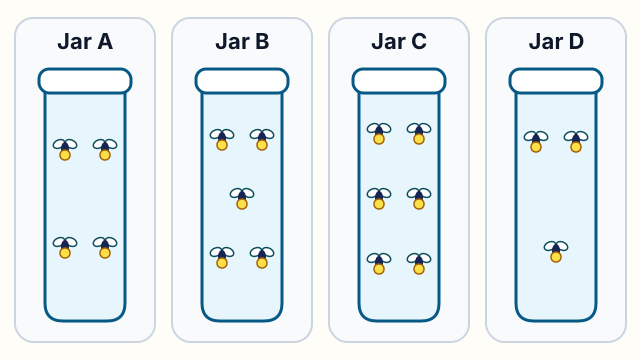
Count four glowing jars, circle the jar with five fireflies, and finish another jar to make five.
Let the child count and draw directly on the page; no strategy hint is needed.
A Kindergarten routine counting and make-five item whose principal response completes the illustrated jar.
Practices: Counting and cardinality
Earn Zircon Fragment
Routine challenge Light amount of written work
C1 Routine · W1 Light Mapped: Ccss Math
Select this challenge Pairing Packets
Grade 2 · 2–6 minutes · Standard challenge
For Grade 2 · Uses Middle Grade 2 math · 2–6 minutes
Designed for Grade 2 · Readiness: Middle Grade 2 · Number and operations · 2–6 minutes
Find every packet total in a short range that can be paired with none left over.
Ask how the learner knows no total was skipped; organizing the complete list remains part of the work.
Students classify consecutive totals by parity, list all valid pairings, and justify completeness across the bounded range.
Practices: Equal groups
Earn Tumbled Garnet
Standard challenge Light amount of written work
C2 Standard · W1 Light Mapped: Ccss Math
Select this challenge Corner Courtyard
Grade 3 · 2–6 minutes · Standard challenge
For Grade 3 · Uses Middle Grade 3 math · 2–6 minutes
Designed for Grade 3 · Readiness: Middle Grade 3 · Geometry · 2–6 minutes
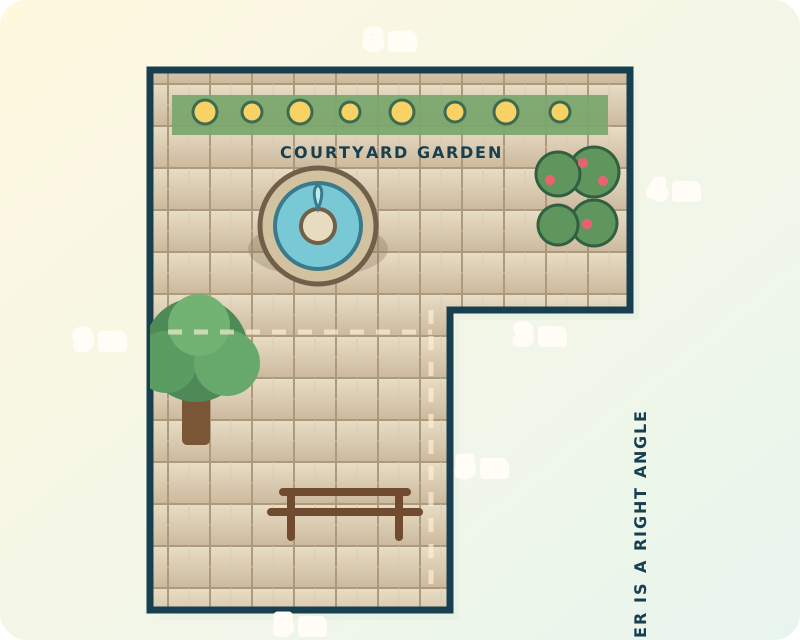
Draw a split through the corner courtyard and use two rectangles to find its area.
The learner may choose any valid two-rectangle partition and draw it directly on the plan.
Students construct a valid decomposition of an L-shape, calculate the two rectangle areas, and add them; multiple partitions are accepted.
Practices: Area and perimeter
Earn Calcite Rhomb
Standard challenge Light amount of written work
C2 Standard · W1 Light Mapped: Ccss Math
Select this challenge Shedletsky’s Self-Checking Formula Cabinet
Grade 12 · 25–55 minutes · Insight challenge
For Grade 12 · Uses HS CALC math · 25–55 minutes
Designed for Grade 12 · Readiness: HS CALC · Calculus and analysis · 25–55 minutes
Open a cabinet of sixteen formulas, discover how it checks itself, and repair one damaged notation pair.
This is an extended reference-and-response investigation; support careful evaluation without naming the error-correcting structure.
A Grade 12 multi-page investigation combining formula evaluation, an engineered error-correcting grid, consistency checks, and notation repair.
Practices: Mathematical notation · Introductory calculus
Earn Brilliant-Cut Diamond
Insight challenge Extended amount of written work
C4 Insight · W4 Extended No published framework match
Select this challenge Pen Nib’s First Move
Grade 3 · 2–6 minutes · Standard challenge
For Grade 3 · Uses Early Grade 3 math · 2–6 minutes
Designed for Grade 3 · Readiness: Early Grade 3 · Number and operations · 2–6 minutes
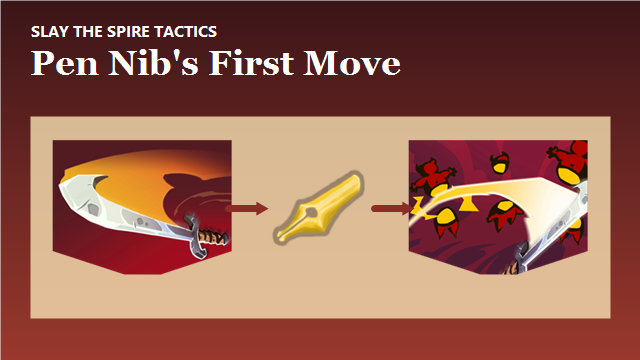
Choose which Slay the Spire attack Pen Nib should double first and explain the better order.
Have the learner compare both compact order lanes before generalizing about which value should receive the multiplier.
Students compare 2(6)+8 with 2(8)+6 and generalize why a fixed multiplier should apply to the larger addend.
Practices: Whole-number operations · Equal groups
Earn Tumbled Garnet
Standard challenge Light amount of written work
C2 Standard · W1 Light Mapped: Bridges
Select this challenge The Defect’s 100th Orb
Grade 3 · 3–8 minutes · Stretch challenge
For Grade 3 · Uses Early Grade 3 math · 3–8 minutes
Designed for Grade 3 · Readiness: Early Grade 3 · Patterns and algebra · 3–8 minutes
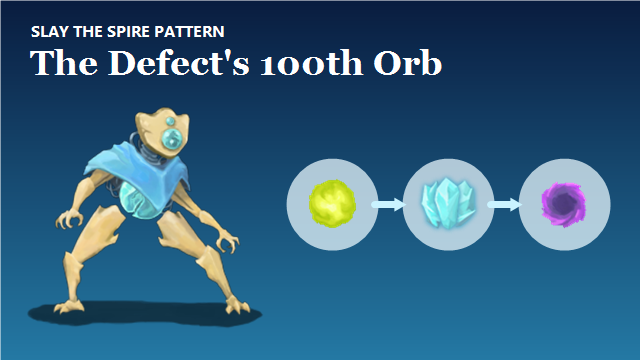
Follow the Defect’s three-Orb queue and predict which Orb leaves on the 100th channel.
Let the learner establish the short repeating state cycle before using the remainder of 100 divided by three.
A period-three state-cycle problem requiring a small simulation followed by modular reasoning about the 100th event.
Practices: Sequences
Earn Indicolite
Stretch challenge Light amount of written work
C3 Stretch · W1 Light No published framework match
Select this challenge Neow’s Counterexample
Grade 3 · 2–7 minutes · Standard challenge
For Grade 3 · Uses Middle Grade 3 math · 2–7 minutes
Designed for Grade 3 · Readiness: Middle Grade 3 · Number and operations · 2–7 minutes
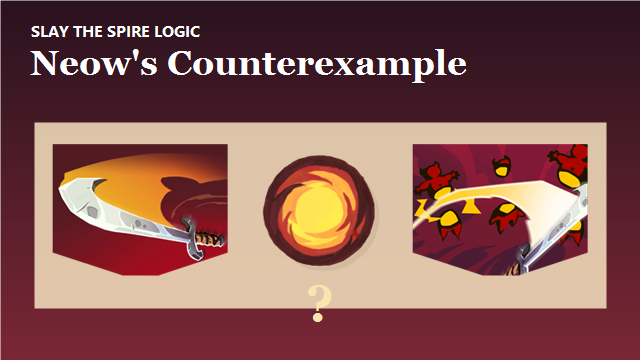
Circle one Slay the Spire hand that disproves Neow’s claim about every hand.
Keep the distinction between one working hand and a claim about every hand in view; several counterexamples may work.
Students construct a counterexample to a universal claim using card-cost data and explain why one failure refutes every.
Practices: Whole-number operations
Earn Rough Diamond Octahedron
Standard challenge Light amount of written work
C2 Standard · W1 Light Mapped: Bridges
Select this challenge Jar Jar’s Ruination Rule
Grade 5 · 2.5–7 minutes · Standard challenge
For Grade 5 · Uses Early Grade 5 math · 2.5–7 minutes
Designed for Grade 5 · Readiness: Early Grade 5 · Number and operations · 2.5–7 minutes
Apply Jar Jar’s one-tenth movie rule and decide whether changing two words changes the count.
Focus attention on the strict threshold language without telling the learner which boundary value changes.
A strict-inequality boundary task using one tenth of a movie runtime and a wording change from more than to at least.
Practices: Fractions and decimals
Earn Tumbled Agate
Standard challenge Light amount of written work
C2 Standard · W1 Light No published framework match
Select this challenge Grogu’s Force Sort
Grade 2 · 4–11 minutes · Stretch challenge
For Grade 2 · Uses Middle Grade 1 math · 4–11 minutes
Designed for Grade 2 · Grade 3 · Readiness: Middle Grade 1 · Geometry · 4–11 minutes
Use Grogu’s four clues to arrange floating objects, then test whether one clue is necessary.
The grid and landing strips support the search; do not identify the removable clue or its counterexample.
A positional-logic problem with a unique arrangement followed by a clue-necessity test requiring a counterexample after one clue is removed.
Practices: Spatial relationships
Earn Marble Tablet
Stretch challenge Moderate amount of written work
C3 Stretch · W2 Moderate No published framework match
No challenges match those filters. Try clearing one of your choices.